


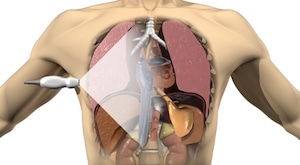
Episode 18 Part 2: More Point of Care Ultrasound
In Part 2 of this Episode on Emergency Ultrasound or Point of Care Ultrasound (POCUS) Dr. Fischer, Dr. Hannam, Dr. Chenkin & Dr. Hall, Canada's EM ultrasound gurus discuss how POCUS can help our decision-making in the pediatric patient with a limp, in the patient with necrotizing fasciitis, in the pregnant patient with vaginal bleeding and in the common and challenging elderly patient with undifferentiated abdominal pain. They cover POCUS indications from urinary retention to appendicitis and debate the utility of these indications. This is followed by a debate on how best to educate ourselves and the EM community in POCUS and how best to designs quality assurance programs so that point of care ultrasound (POCUS) becomes an accepted tool across the entire medical community.
Episode 18 Part 1: Point of Care Ultrasound Pearls, Pitfalls and Controversies
In this first installment of this Episode, Point of Care Ultrasound Pearls, Pitfalls & Controversies we have a panel of POCUS gurus, Dr. Greg Hall, Dr. Jordan Chenkin, Dr. Paul Hannam & Dr. Jason Fischer. They review the basic criteria for commonly used, practical Point of Care Ultrasound indications at the bedside and then dive into heated debate about specific pearls and pitfalls in Point of Care Ultrasound assessment of the patient with undifferentiated shortness of breath, undifferentiated shock, cardiac arrest and swollen leg. They discuss how best to interpret the massive body of literature for POCUS and when we can hang our hats on our Point of Care Ultrasound findings.
Episode 17 Part 2: Stroke, Dabigatran and Intracranial Hemorrhage
In the 2nd part of this episode on Stroke, Dabigitran & Intracranial Hemorrhage Dr. Walter Himmel & Dr. Dan Selchen tell us everything the ED doc needs to know about the oral direct thrombin inhibitor Dabigatran and how to reverse a Dabigatran ICH. The ED treatment of stroke is reviewed including best medications and a simple way to remember BP goals. They review the management of ICH including BP goals, indications for neurosurgery, the role of recombinant Factor Vlla, and how best to reverse Warfarin-associated and platelet-associated ICH.
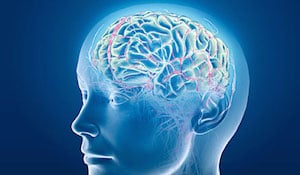
Episode 17 Part 1: Emergency Stroke Controversies
Ep17 P1 StrokeDr. Walter Himmel, "the walking encyclopedia of Emergency Medicine" & Dr. Dan Selchen, the head of the stroke program at St. Micheal's Hospital in Toronto with 30+ years of experience as a stroke neurologist, update us on the literature regarding Emergency Stroke Controversies including the ABCD2 Score to predict Stroke after TIA, as well as the current thinking around the best carotid imaging for patients who have had a TIA. They then review the important findings of the key thrombolysis stroke trials & how we could incorporate these findings into our daily practice. Dr. Selchen reviews the key CT findings we should look for in stroke, & Dr. Himmel takes us through how to manage the dreaded complication of ICH post thrombolysis. This episode is super controversial - so please 'speak your mind' at the bottom of the page.

Episode 16: Acute Monoarthritis
Ep16 MonoarthritisDr. Joel Yaphe, University of Toronto's Emergency Medicine Residency Program Director and Dr. Indy Ghosh discuss the difficult diagnostic dilemmas when faced with a patient with acute monoarthritis. They review how to distinguish clinically between septic arthritis and gout and which aspects of the presentation and work-up are the most reliable in risk stratifying patients. The key differential diagnosis of Acute Polyarthritis can be even more of a challenge, but fear not: by then end of this podcast and post you will be able to recognize the key diagnoses, how to work them up, and who needs consultation.

Episode 15 Part 2: Acute Coronary Syndromes Management
In Part 2 of this Episode on Acute Coronary Syndromes Risk Stratification & Management, the evidence for various medications for ACS, from supplemental oxygen to thrombolytics are debated, and decision making around reperfusion therapy for STEMI as well as NSTEMI are discussed. Finally, there is a discussion on risk stratification of low risk chest pain patients and all it's attendant challenges as well as disposition and follow-up decisions. Dr. Eric Letovsky, the Head of the CCFP(EM) Program at the University of Toronto, Dr. Mark Mensour & Dr. Neil Fam, an interventional cardiologist answer questions like: What is the danger of high flow oxygen in the setting of ACS? When, if ever, should we be using IV B-blockers in AMI patients? How can you predict, in the ED, who might go on to have an urgent CABG, in which case Clopidogrel is contra-indicated? Which anticoagulant is best for unstable angina, NSTEMI and STEMI - unfractionated heparin (UFH), low molecular weight heparin (LMWH), or fonduparinux? Is there currenly any role for Glycoprotein 2b3a Inhibitors in ACS in the ED? When is thrombolysis better than PCI for STEMI? When should we consider facilitated angioplasty and rescue angioplasty? Which low risk chest pain patients require an early stress test? CT coronary angiography? Stress Echo? Admission to a Coronary Decision Unit (CDU)? and many more.......
