

Cardiovascular
Ep 128 Low Risk Chest Pain and High Sensitivity Troponin – A Paradigm Shift
In the age of high sensitivity troponins and the HEART pathway, which patients are safe to discharge home from the ED? What are the most useful historical factors to increase and decrease your pretest probability for ACS? Which cardiac risk factors have predictive value for ACS? Why should the words "troponitis" and "troponemia" be banned? How should high sensitivity troponin be interpreted differently than conventional troponin? Which is better for delta troponin interpretation - an absolute change in troponin or a percentage change? Which delta troponin is best - 1hr, 2hr or 3hr? What are the limitations of the HEART pathway? and many more....
EM Quick Hits 6 Blunt Cardiac Trauma, Atrial Fibrillation Anticoagulation, Hydromorphone vs Morphine, Myasthenia Gravis, Venous Access
In this EM Quick Hits episode: Andrew Petrosoniak on diagnosis and risk stratification of blunt cardiac trauma, Clare Atzema on latest guidelines for anticoagulation in atrial fibrillation, Maria Ivankovic on hydromorphone vs morphine for acute pain, Brit Long on clinical pearls in the diagnosis of myasthenia gravis, Anand Swaminathan on venous access tips and tricks, and bonus material from EM Cases Course June 2018 with Walter Himmel and Barbara Tatham on Physician Compassion and tools to prevent burnout...

EM Quick Hits 4 Acetaminophen Overdose & Warfarin Interaction, Dental Infections, MTP RABT Score, Statins for STEMI, Cricothyrotomy Tips
In this Quick Hits Podcast: David Juurlink on acetaminophen and warfarin drug interaction, Hans Rosenberg on management of dental infections, Emily Austin on dialysis in massive acetaminophen overdose, Andrew Petrosoniak on MTP decisions and the RABT score in trauma , Joel Yaphe on statins for STEMI from Whistler's Update in EM Conference, and George Kovacs on how to maximize success of a cricothyrotomy from EM Cases Course 2019...
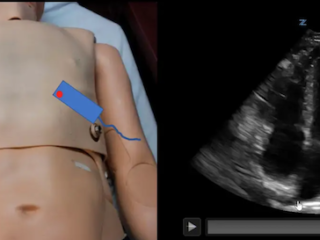
POCUS Cases 8 – LV Dysfunction
In this POCUS Cases video Dr. Rob Simard reviews the literature on accuracy of identifying LV dysfunction on POCUS by non-radiologists, the steps in assessing LV dysfunction, and cautions us when it comes to patients with chronic LV dysfunction...

JJ 15 Cardiac Stress Testing After Negative ED Workup for MI
In this Journal Jam podcast we do a deep dive into the hugely complex literature of cardiac stress testing and see whether or not stress testing portends any benefit for patients who we assess in the ED for chest pain. The problem is - if stress testing doesn’t benefit our patients and isn’t a good screening test for preventing MIs, then what do we do with our low risk chest pain patients we see in the ED?

JJ 14 Epinephrine in Cardiac Arrest
Does epinephrine improve the chances of return of spontaneous circulation at the expense of the brain? In other words, while we know that epinephrine doubles rates of ROSC in all comers in cardiac arrest, there’s never been robust evidence for long term improvements in neurologic functional outcomes. So, are we saving lives, or are we prolonging death? Find out the answer in this Journal Jam podcast with Justin Morgenstern and Rory Spiegel...
