Best Case Ever 9 Vaginal Bleeding in Early Pregnancy

As a bonus to Episode 23 on 'Vaginal Bleeding in Early Pregnancy' with Dr. Ross Claybo and Dr. David Dushenski, we have here, Dr. Claybo's Best Case Ever. While vaginal bleeding in early pregnancy is rarely life threatening, there are a significant percentage of woman who will require emergency resuscitation and surgical intervention. We don't have mountains of RCTs on this topic; still Dr. David Dushenski & Dr. Ross Claybo run through the key clinical pearls of the history, the physical, interpretation of the BhCG and the value of serum progesterone in working up these patients. The newest on point of care ultrasound is discussed in the patient with vaginal bleeding in early pregnancy. The various types of spontaneous abortion including septic abortion are reviewed as well as the management of the unstable patient with massive vaginal hemorrhage. Ectopic pregnancy, in all it’s various presentations is reviewed with particular attention to the most common pitfalls and how to avoid them. [wpfilebase tag=file id=388 tpl=emc-play /] [wpfilebase tag=file id=389 tpl=emc-mp3 /]

Episode 22a: Whistler Update in Emergency Medicine Conference 2012

In this bonus episode, our second installment of the highlights from Whistler Update in Emergency Medicine Conference 2012, we have Dr. Eric Letovsky talking about complications of MI and the importance of listening for cardiac murmurs. Next, I moderate an expert panel on the current trends on imaging patients who present with renal colic and query appendicitis with Dr. Connie Leblanc, Dr. Joel Yaphe, Dr. David MacKinnon & Dr. Eric Letovsky. We then hear from Dr. Adam Cheng, Dr. Dennis Scolnick & Dr. Anna Jarvis in a pediatric expert panel about the newest on minor head injury, otitis media, mastoiditis and bronchiolitis. Dr. David Carr reviews one of the most important articles in 2011 regarding subarachnoid hemorrhage, and Dr. David MacKinnon gives us tonnes of clinical pearls when it comes to everyone's favourite subject, anorectal disorders.

Episode 21: Pulmonary Embolism

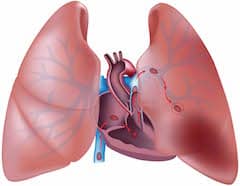
In this episode on Pulmonary Embolsim we have the triumphant return of Dr. Anil Chopra, the Head of the Divisions of Emergency Medicine at University of Toronto, and Dr. John Foote the CCFP(EM) residency program director at the University of Toronto. We kick it off with Dr. Foote's approach to undifferentiated dyspnea and explanation of Medically Unexplained Dyspea ('MUD') and go on to discuss how best to develop a clinical pre-test probability for the diagnosis of pulmonary embolism using risk factors, the value of the PERC rule, Well's criteria and how clinical gestalt plays into pre-test probability. Dr. Chopra tells about the appropriate use of D-dimer to improve our diagnostic accuracy without leading to over-investigation and unwarranted anticoagulation. We then discuss the value of V/Q scan in the workup of PE, and the pitfalls of CT angiography. A discussion of anticoagulation choices follows and the controversies around thrombolysis for submassive PE are reviewed.

Best Case Ever 8: Acute Dyspnea

Acute Dyspnea has a wide differential diagnosis from Metabolic Acidosis to Medically Unexplained Dyspnea. As a bonus to Episode 21 on Pulmonary Embolism and Acute Dyspnea, Dr. John Foote the CCFP(EM) residency program director at the University of Toronto presents his Best Case Ever related to an Acute Dyspnea presentation. In the related episode on Pulmonary Embolism we havet, with Dr. Foote, the triumphant return of Dr. Anil Chopra, the Head of the Divisions of Emergency Medicine at University of Toronto . We kick it off with Dr. Foote’s approach to undifferentiated acute dyspnea and explanation of Medically Unexplained Dyspea (‘MUD’) and go on to discuss how best to develop a clinical pretest probability for the diagnosis of pulmonary embolism using risk factors, the value of the PERC rule, Well’s criteria and how clinical gestalt plays into pretest probability. Dr. Chopra tells about the appropriate use of D-dimer to improve our diagnostic accuracy without leading to over-investigation and unwarranted anticoagulation. We then discuss the value of V/Q scan in the workup of PE, and the pitfalls of CT angiography. A discussion of anticoagulation choices follows and the controversies around thrombolysis for submassive PE closes the podcast. [wpfilebase tag=file id=384 tpl=emc-play /] [wpfilebase tag=file id=385 tpl=emc-mp3 /]

Episode 20: Atrial Fibrillation

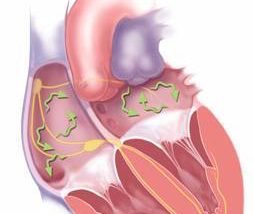
In this episode Dr. Clare Atzema, Dr. Nazanin Meshkat and Dr. Bryan Au discuss the presentation, etiology, precipitants, management and disposition of Atrial Fibrillation in the Emergency Department. The pros and cons of rate and rhythm control are debated, what you need to know about rate and rhythm control medications reviewed, and the strength of the Ottawa Aggressive Protocol discussed. The importance of appropriate anticoagulation is detailed, with a review of the CHADS-VASc score and whether to use Warfarin, Dabigatran or ASA for stroke prevention for patient with Atrial Fibrillation. We end off with a discussion on how to recognize and treat Wolff-Parkinson-White syndrome in the setting of Atrial Fibrillation.

Best Case Ever 7: Atrial Fibrillation

As a bonus to Episode 20 on Atrial Fibrillation, we present here, Dr. Clare Atzema, a leading EM researcher in Atrial Fibrillation, telling her Best Case Ever related to Afib. What would you do if you needed to cardiovert a patient who was too obese to fit on an ED stretcher? Dr. Atzema, along with Dr. Nazanin Meshkat and Dr. Bryan Au, discuss the presentation, etiology, precipitants, management and disposition of Atrial Fibrillation in the Emergency Department. The pros and cons of rate vs rhythm control are debated, what you need to know about Afib medications, and the value of the Ottawa Aggressive Protocol discussed. The importance of appropriate anticoagulation is detailed, with a review of the CHADS-VASc score and whether to use anticogulants or ASA for stroke prevention for patients with Afib. We end off with a discussion on how to recognize and treat Wolff-Parkinson-White syndrome in the setting of Atrial Fibrillation. [wpfilebase tag=file id=382 tpl=emc-play /] [wpfilebase tag=file id=383 tpl=emc-mp3 /]

Episode 19 Part 2: Pediatric Gastroenteritis, Constipation and Bowel Obstruction

In Part 2 of this pediatric abdominal pain Episode - Pediatric Gastroenteritis, Constipation & Bowel Obstruction, Dr. Anna Jarvis, Canada's "mother of pediatric emergency medicine" and Dr. Stephen Freedman, one of Canada's pre-eminent researchers in pediatric GI emergencies, discuss the assessment, work-up and treatment of pediatric gastroenteritis, with particular attention to gastroenteritis & acute abdomen mimics, how best to assess hydration status, the nuances of the use of ondansetron and the prose and cons of various rehydration methods. A detailed discussion of the most common and lethal causes of acute abdomen bowel obstruction in pediatrics follows, including intussesception and midgut volvulus. Finally, the differential diagnosis and best management of the most common cause of pediatric abdominal pain, constipation, is reviewed.

Donate Subscribe
Go to Top