

Most Recent
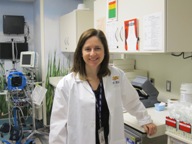
Episode 59b: Amy Plint on the Management of Bronchiolitis
In response to Episode 59 with Dr. Sanjay Mehta and Dr. Dennis Scolnik on the emergency department diagnosis and management of Bronchiolitis, Dr. Amy Plint, one of Canada's most prominent researchers in Bronchiolitis and the Chair of Pediatric Emergency Research Canada, tells her practical approach to choosing medications in the emergency department, the take home message from her landmark 2009 NEJM study on the use of nebulized epinephrine and dexamethasone for treating Bronchiolitis, and the future of Bronchiolitis research.

Episode 59: Bronchiolitis
This EM Cases episode is on the diagnosis and management of Bronchiolitis. Bronchiolitis is one of the most common diagnoses we make in both general and pediatric EDs, and like many pediatric illnesses, there’s a wide spectrum of severity of illness as well as a huge variation in practice in treating these children. Bronchiolitis rarely requires any work up yet a lot of resources are used unnecessarily. We need to know when to worry about these kids, as most of them will improve with simple interventions and can be discharged home, while a few will require complex care. Sometimes it’s difficult to predict which kids will do well and which kids won’t. Not only is it difficult to predict the course of illness in some of these children but the evidence for different treatment modalities for Bronchiolitis is all over the place, and I for one, find it very confusing. Then there’s the sphincter tightening really sick kid in severe respiratory distress who’s tiring with altered LOC. We need to be confident in managing these kids with severe disease. So, with the help of Dr. Dennis Scolnik, the clinical fellowship program director at Toronto’s only pediatric emergency department and Dr. Sanjay Mehta, an amazing educator who you might remember from his fantastic work on our Pediatric Ortho episode, we’ll sort through how to assess the child with respiratory illness, how to predict which kids might run into trouble, and what the best evidence-based management of these kids is.
Best Case Ever 32 Carr’s Cases – Endocarditis and Blood Culture Interpretation
David Carr discusses his top 10 pearls on endocarditis and blood culture interpretation in this Carr's Cases Best Case Ever on EM Cases - Endocarditis and Blood Culture Interpretation. [wpfilebase tag=file id=560 tpl=emc-play /] [wpfilebase tag=file id=561 tpl=emc-mp3 /]
Episode 29b: Hand Emergencies Part 2
Part 2 of Hand Emergencies with Dr. Laura Tate & Dr. Andrew Arcand.
Episode 58: Tendons and Ligaments – Commonly Missed Uncommon Orthopedic Injuries Part 2
In part 2 of our round-table discussion on EM Cases with sports medicine guru Dr. Ivy Cheng and orthopedic surgeon Dr. Hossein Mehdian we elucidate some key commonly missed uncommon orthopedic injuries that if mismanaged, carry significant long term morbidity. Injuries of the tendons and ligaments are often overlooked by emergency providers as relatively benign injuries and generally are not well understood. Syndesmosis Injuries typically occur in impact sports. They are missed in about 20% of cases, as x-rays findings are often subtle or absent. The mechanism, physical exam findings, such as the Hopkin's Test, and associated injuries are important to understand to help make the diagnosis and provide appropriate ED care. Distal Biceps Tendon Rupture is almost exclusively a male injury and occurs in a younger age group compared to the Proximal Biceps Rupture. It is important to distinguish these injuries as their management and outcomes are different. The mechanism and physical exam findings of Distal Biceps Tendon Rupture, such as the Hook Test, are key in this respect. Quadriceps Tendon Rupture is often misdiagnosed as a simple ‘knee sprain’, but should be consideration for surgical intervention. Quadriceps tendon ruptures are more commonly seen in patients older than 40 years and are more common than patella tendon ruptures which are more commonly seen in patients under 40 years of age. Interestingly, up to 1/3 of patients present with bilateral quadriceps tendon ruptures, so comparing to the contralateral knee may be misleading. There is a spectrum of knee extensor injuries that should be understood in order to provide proper care, with the Straight-Leg-Raise Test being abnormal in all of them. This is of the most important physical exam maneuvers to perform on every ED patient with a knee injury. The x-ray findings of these injuries may be subtle or absent, and proper immobilization of these injuries is important to prevent recoil of the tendon. Patients with calf pain and Gastrocnemius Tears are often misdiagnosed as having a DVT. In fact, one small study showed that gastrocnemius tears were misattributed to DVT in 29% of patients. This confusion occurs because sometimes patients who suffer a gastrocnemius tear report a prodrome of calf tightness several days before the injury, suggesting a potential chronic predisposition. With a good history and physical, and POCUS if you’re skilled at it, needless work-ups for DVT can be avoided. For well thought out approaches, pearls and pitfalls, to these 4 Commonly Missed Uncommon Orthopedic Injuries, listen to the podcast and read the rest of this blog post....

Best Case Ever 31: Emergency Pericardiocentesis
On this EM Cases Best Case Ever, Andrew Sloas, the brains behinds the fabulous PEM-ED podcast tells the tale of a pericardiocentesis gone bad and what he learned from it. Emergency pericardicentesis can be life saving, but it also carries risks. Dr. Sloas reviews the steps to take to ensure that the pericardiocentesis needle is the the correct place to minimize the risk of intubating the right ventricle of the heart. A discussion of errors of omission and ones of commission follows.... [wpfilebase tag=file id=540 tpl=emc-play /] [wpfilebase tag=file id=541 tpl=emc-mp3 /]
