

Cardiovascular

Episode 32: Whistler Update in Emergency Medicine Conference 2013
Whistler's Update in Emergency Medicine Conference 2013 in Whistler, British Columbia is U of Toronto's case-based interactive small group EM conference. There were so may great talks with amazing clinical pearls that I decided to wade through the 18 hours of audio recordings and packaged some of the key highlights for you here......EM Literature Review 2012 by Dr. Joel Yaphe, Neonatal Resuscitation Pearls by Dr. Nicole Kester-Greene, Fever of Unknown Origin by Dr. Shirley Lee, Improving Cosmesis in Wound Management by Dr. Maria Ivankovic, Hepato-biliary Disease by Dr. Sara Gray, & Pediatric Cardiac & Respiratory Cases by Dr. Donna Goldenberg.
Episode 30: Central Lines, Surgical Airways and Pericardiocentesis
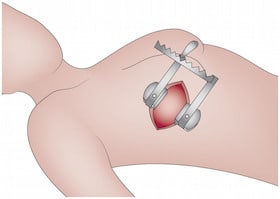
In this episode dedicated to emergency procedures pearls and pitfalls, tips and tricks, Dr. Jordan Chenkin & Dr. Jamie Blicker take us step by step through how best to perform surgical airways and pericardiocentesis, as well as place central lines and intraosseous lines. They explain the various methods for surgical airways including the bougie-assisted surgical airway. They review the indications, contraindications, and complications for all of these life saving procedures, and give us some amazing tips and tricks on what to do when things aren't going as expected.

Best Case Ever 13: Aortic Dissection
Dr. David Carr, the past author of Tintinalli's chapter on occlusive arterial disease, tells us his Best Case Ever related to Aortic Dissection. In the related Episode 28: Aortic Dissection, Acute Limb Ischemia & Compartment Syndrome, we discuss the breadth of presentations and key diagnostic clues of Aortic Dissection. We review the value of ECG, CXR, biomarkers and the use of Transesophageal Echo and CTA in this sometime elusive diagnosis. We debate lots of clinical pearls and pitfalls when it comes to acute limb ischemia, and end with a discussion on the trials and tribulations of Compartment Syndrome. [wpfilebase tag=file id=398 tpl=emc-play /] [wpfilebase tag=file id=399 tpl=emc-mp3 /]

Episode 25: Pediatric Syncope and Adult Syncope
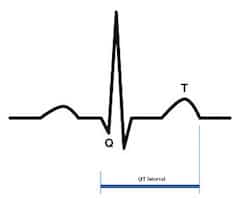
In this episode on Pediatric Syncope & Adult Syncope, Dr. Eric Letovksy & Dr. Anna Jarvis run through the key clinical pearls of the history, the physical, interpretation of the ECG and the value of clinical decision rules such as the ROSE rule and the San Francisco Syncope Rule in working up these patients. We discuss how to differentiate syncope from seizure, cardiac causes of syncope such as Arrhthmogenic Right Ventricular Cardiomyopthy & Prolonged QT Syndrome, and the indications for Holter monitoring, Echocardiograms and stress testing in patients with Syncope. Dr. Letvosky & Dr. Jarvis answer such questions as: How can we diagnose Hypertrophic Cardiomyopathy in the ED? What is the value of Troponin and BNP in the work-up of syncope? In what ways are patients with Down Syndrome at high risk for serious causes of syncope? In what ways are patients with alcohol dependence at risk for serious causes of syncope? Why is 'Benign' early repolarization not a benign condition in patients with syncope? Which children with syncope should be admitted? and many more....
Best Case Ever 10: Pediatric Syncope
Pediatric Syncope usually has a benign cause, but may be a warning for sudden death. As a bonus to Episode 25 on ‘Pediatric & Adult Syncope’ with Dr. Eric Letovsky and Dr. Anna Jarvis, 'Canada's mother of Pediatric Emergency Medicine', we have Dr. Jarvis’s Best Case Ever. In the related episode we will cover how to differentiate syncope from seizure, key historical and physical exam clues to determine a cause of syncope, ECG pearls of syncope causing cardiac conditions, from Congenital Prolonged QT Syndrome to Arrhythmogenic Right Ventricular Cardiomyopathy, the value of syncope decision rules such as the ROSE rule and the San Francisco Syncope Rule, the value of ancillary testing, including Holter monitoring, Echocardiograms and Stress Testing and much more...... [wpfilebase tag=file id=386 tpl=emc-play /] [wpfilebase tag=file id=387 tpl=emc-mp3 /]
Episode 22a: Whistler Update in Emergency Medicine Conference 2012
In this bonus episode, our second installment of the highlights from Whistler Update in Emergency Medicine Conference 2012, we have Dr. Eric Letovsky talking about complications of MI and the importance of listening for cardiac murmurs. Next, I moderate an expert panel on the current trends on imaging patients who present with renal colic and query appendicitis with Dr. Connie Leblanc, Dr. Joel Yaphe, Dr. David MacKinnon & Dr. Eric Letovsky. We then hear from Dr. Adam Cheng, Dr. Dennis Scolnick & Dr. Anna Jarvis in a pediatric expert panel about the newest on minor head injury, otitis media, mastoiditis and bronchiolitis. Dr. David Carr reviews one of the most important articles in 2011 regarding subarachnoid hemorrhage, and Dr. David MacKinnon gives us tonnes of clinical pearls when it comes to everyone's favourite subject, anorectal disorders.
