

Pediatrics

Best Case Ever 37 Neonatal Lazy Feeder
On this EM Cases Best Case Ever Dr. Anthony Crocco, the Head and the Division Head of Pediatric EM at McMaster University and Medical Director of Pediatric Emergency Medicine at Hamilton Health Sciences Hosptial, discusses an approach to the neonatal lazy feeder and why we should abandon the use of codeine in pediatrics as well as in breastfeeding mothers. The approach to the neonatal lazy feeder should be considered as an approach to altered level of awareness with a wide differential diagnosis, and there is one question that should always be asked of the neontal lazy feeder....
Episode 63 – Pediatric DKA
Pediatric DKA was identified as one of key diagnoses that we need to get better at managing in a massive national needs assessment conducted by the fine folks at TREKK – Translating Emergency Knowledge for Kids – one of EM Cases’ partners who’s mission is to improve the care of children in non-pediatric emergency departments across the country. You might be wondering - why was DKA singled out in this needs assessment? It turns out that kids who present to the ED in DKA without a known history of diabetes, can sometimes be tricky to diagnose, as they often present with vague symptoms. When a child does have a known history of diabetes, and the diagnosis of DKA is obvious, the challenge turns to managing severe, life-threatening DKA, so that we avoid the many potential complications of the DKA itself as well as the complications of treatment - cerebral edema being the big bad one. The approach to these patients has evolved over the years, even since I started practicing, from bolusing insulin and super aggressive fluid resuscitation to more gentle fluid management and delayed insulin drips, as examples. There are subtleties and controversies in the management of DKA when it comes to fluid management, correcting serum potassium and acidosis, preventing cerebral edema, as well as airway management for the really sick kids. In this episode we‘ll be asking our guest pediatric emergency medicine experts Dr. Sarah Reid, who you may remember from her powerhouse performance on our recent episodes on pediatric fever and sepsis, and Dr. Sarah Curtis, not only a pediatric emergency physician, but a prominent pediatric emergency researcher in Canada, about the key historical and examination pearls to help pick up this sometimes elusive diagnosis, what the value of serum ketones are in the diagnosis of DKA, how to assess the severity of DKA to guide management, how to avoid the dreaded cerebral edema that all too often complicates DKA, how to best adjust fluids and insulin during treatment, which kids can go home, which kids can go to the floor and which kids need to be transferred to a Pediatric ICU.
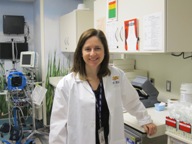
Episode 59b: Amy Plint on the Management of Bronchiolitis
In response to Episode 59 with Dr. Sanjay Mehta and Dr. Dennis Scolnik on the emergency department diagnosis and management of Bronchiolitis, Dr. Amy Plint, one of Canada's most prominent researchers in Bronchiolitis and the Chair of Pediatric Emergency Research Canada, tells her practical approach to choosing medications in the emergency department, the take home message from her landmark 2009 NEJM study on the use of nebulized epinephrine and dexamethasone for treating Bronchiolitis, and the future of Bronchiolitis research.

Episode 59: Bronchiolitis
This EM Cases episode is on the diagnosis and management of Bronchiolitis. Bronchiolitis is one of the most common diagnoses we make in both general and pediatric EDs, and like many pediatric illnesses, there’s a wide spectrum of severity of illness as well as a huge variation in practice in treating these children. Bronchiolitis rarely requires any work up yet a lot of resources are used unnecessarily. We need to know when to worry about these kids, as most of them will improve with simple interventions and can be discharged home, while a few will require complex care. Sometimes it’s difficult to predict which kids will do well and which kids won’t. Not only is it difficult to predict the course of illness in some of these children but the evidence for different treatment modalities for Bronchiolitis is all over the place, and I for one, find it very confusing. Then there’s the sphincter tightening really sick kid in severe respiratory distress who’s tiring with altered LOC. We need to be confident in managing these kids with severe disease. So, with the help of Dr. Dennis Scolnik, the clinical fellowship program director at Toronto’s only pediatric emergency department and Dr. Sanjay Mehta, an amazing educator who you might remember from his fantastic work on our Pediatric Ortho episode, we’ll sort through how to assess the child with respiratory illness, how to predict which kids might run into trouble, and what the best evidence-based management of these kids is.
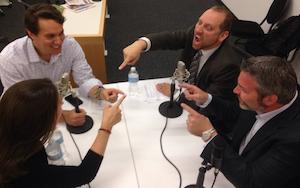
Episode 53 Pediatric POCUS
In this Episode, a follow up to Episode 18 Point of Care Ultrasound Pearls and Pitfalls, which covered pericardial effusion, pneumothorax, undifferentiated shock, cardiac arrest & DVT, we bring you 4 of North America’s Pediatric Point of Care Ultrasound gurus recorded live from Toronto during the first ever P2 Conference (PEM POCUS) - Pediatric Emergency Medicine Point of Care Ultrasound. The format will be a bit different for this episode. I’ve asked each our P2 gurus to describe a case that illustrates their favorite point of care ultrasound application, why they think it is useful, how it improves patient care, a step by step description of how to perform the application, the pearls and pitfalls of the application, and bit about what the literature says about the application. Dr. Jason Fischer on ultrasound-guided nerve blocks, Dr. Alyssa Abo on pediatric lung POCUS, Dr. Adam Sivitz on pediatric appendicitis POCUS and Dr. Alex Arroyo on intussesception.

Episode 50 Recognition and Management of Pediatric Sepsis and Septic Shock
Kids aren't little adults. Pediatric sepsis and septic shock usually presents as 'cold shock' where as adult septic shock usually presents as 'warm shock', for example. In this episode, a continuation of our discussion on Fever from with Ottawa PEM experts, Sarah Reid and Gina Neto, we discuss the pearls and pitfalls in the recognition and management of pediatric sepsis and septic shock. We review the subtle clinical findings that will help you pick up septic shock before it's too late as well as key maneuvers and algorithms to stabilize these patients. We cover tips for using IO in children, induction agents of choice, timing of intubation, ionotropes of choice, the indications for steroids in septic shock, and much more.....
