pediatric emergency medicine

Episode 50 Recognition and Management of Pediatric Sepsis and Septic Shock

Kids aren't little adults. Pediatric sepsis and septic shock usually presents as 'cold shock' where as adult septic shock usually presents as 'warm shock', for example. In this episode, a continuation of our discussion on Fever from with Ottawa PEM experts, Sarah Reid and Gina Neto, we discuss the pearls and pitfalls in the recognition and management of pediatric sepsis and septic shock. We review the subtle clinical findings that will help you pick up septic shock before it's too late as well as key maneuvers and algorithms to stabilize these patients. We cover tips for using IO in children, induction agents of choice, timing of intubation, ionotropes of choice, the indications for steroids in septic shock, and much more.....

Episode 48 – Pediatric Fever Without A Source

Have you ever seen a child in your emergency department with a fever - he asks sarcastically? At the ginormous community hospital where I work, we see about 25,000 kids each year in our ED and about half of them present with fever. Yes, there still exists fever phobia in our society, which brings hoards of worried parents into the ED with their febrile kids. For most of these kids it's relatively straight forward: Most kids with fever have clinical evidence of an identifiable source of infection – a viral respiratory infection, acute otitis media, gastro, or a viral exanthem. However, about 20% have Fever Without a Source despite your thorough history and physical exam. A small but significant number of this 20% without an identifiable source of fever will have an occult bacterial infection - UTI, bacteremia, pneumonia, or even the dreaded early bacterial meningitis. These are all defined as Serious Bacterial Infections (SBI), with occult UTI being the most common SBI especially in children under the age of 2 years. In the old days we used to do a full septic work-up including LP for all infants under the age of 3 months, but thankfully, times have changed in the post-Hib and pneumoccocal vaccine age, and we aren’t quite so aggressive any more with our work-ups. Nonetheless, it's still controversial as to which kids need a full septic workup, which kids need a partial septic workup, which kids need just a urine dip and which kids need little except to reassure the parents. In this episode, with the help of Dr. Sarah Reid and Dr. Gina Neto from the Children's Hospital of Eastern Ontario, we will elucidate how to deal with fever phobia, when a rectal temp is necessary, how to pick out the kids with fever that we need to worry about, how to work up kids with fever depending on their age, risk factors and clinical picture, who needs a urinalysis, who needs a CXR, who needs blood cultures and who needs an LP, and much more....

Best Case Ever 27: Pediatric Shock

Ottawa this year, I had the pleasure of discussing pediatric shock and sepsis with Dr. Sarah Reid, a good medical school friend of mine from the Gretzky Year ('99) graduating class. I knew back then that she was heading for PEM educator stardom. Lo and behold, she is the now the director of CME at the Children's Hospital of Eastern Ontario and a national PEM speaker extraordinaire. After recording an eye-opening session on Pediatric Fever Without a Source and Pediatric Sepsis, she told me the story of her Best Case Ever where the initial presumptive diagnosis was sepsis. Maximize your learning and submit your questions on 'Pediatric Fever Without a Source' on the Next Time on EM Cases page.

Episode 35: Pediatric Orthopedics Pearls and Pitfalls

Dr. Sanjay Mehta & Dr. Jonathan Pirie, two experienced Pediatric EM docs from The Hospital for Sick Children in Toronto discuss their approach to a variety of common, occult, challenging and easy to miss pediatric orthopedics diagnoses including: differentiating Septic Arthritis from Transient Synovitis of the hip, Toddler's Fracture, Tillaux Fracture, Suprachondylar Fracture, ACL tear, tibial spine & Segond fractures. They also debate the value of the Ottawa Knee Rules in kids, non-accidental trauma, pediatric orthopedic pain management, the evidence for the best management of Buckle, Greenstick, Salter 1 and 2 distal radius fractures and lateral malleolus fractures.

Episode 32: Whistler Update in Emergency Medicine Conference 2013

Whistler's Update in Emergency Medicine Conference 2013 in Whistler, British Columbia is U of Toronto's case-based interactive small group EM conference. There were so may great talks with amazing clinical pearls that I decided to wade through the 18 hours of audio recordings and packaged some of the key highlights for you here......EM Literature Review 2012 by Dr. Joel Yaphe, Neonatal Resuscitation Pearls by Dr. Nicole Kester-Greene, Fever of Unknown Origin by Dr. Shirley Lee, Improving Cosmesis in Wound Management by Dr. Maria Ivankovic, Hepato-biliary Disease by Dr. Sara Gray, & Pediatric Cardiac & Respiratory Cases by Dr. Donna Goldenberg.

Episode 25: Pediatric Syncope and Adult Syncope

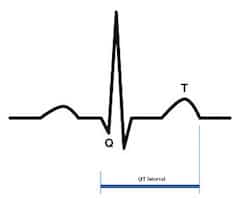
In this episode on Pediatric Syncope & Adult Syncope, Dr. Eric Letovksy & Dr. Anna Jarvis run through the key clinical pearls of the history, the physical, interpretation of the ECG and the value of clinical decision rules such as the ROSE rule and the San Francisco Syncope Rule in working up these patients. We discuss how to differentiate syncope from seizure, cardiac causes of syncope such as Arrhthmogenic Right Ventricular Cardiomyopthy & Prolonged QT Syndrome, and the indications for Holter monitoring, Echocardiograms and stress testing in patients with Syncope. Dr. Letvosky & Dr. Jarvis answer such questions as: How can we diagnose Hypertrophic Cardiomyopathy in the ED? What is the value of Troponin and BNP in the work-up of syncope? In what ways are patients with Down Syndrome at high risk for serious causes of syncope? In what ways are patients with alcohol dependence at risk for serious causes of syncope? Why is 'Benign' early repolarization not a benign condition in patients with syncope? Which children with syncope should be admitted? and many more....

Best Case Ever 10: Pediatric Syncope

Pediatric Syncope usually has a benign cause, but may be a warning for sudden death. As a bonus to Episode 25 on ‘Pediatric & Adult Syncope’ with Dr. Eric Letovsky and Dr. Anna Jarvis, 'Canada's mother of Pediatric Emergency Medicine', we have Dr. Jarvis’s Best Case Ever. In the related episode we will cover how to differentiate syncope from seizure, key historical and physical exam clues to determine a cause of syncope, ECG pearls of syncope causing cardiac conditions, from Congenital Prolonged QT Syndrome to Arrhythmogenic Right Ventricular Cardiomyopathy, the value of syncope decision rules such as the ROSE rule and the San Francisco Syncope Rule, the value of ancillary testing, including Holter monitoring, Echocardiograms and Stress Testing and much more...... [wpfilebase tag=file id=386 tpl=emc-play /] [wpfilebase tag=file id=387 tpl=emc-mp3 /]

Episode 22a: Whistler Update in Emergency Medicine Conference 2012

In this bonus episode, our second installment of the highlights from Whistler Update in Emergency Medicine Conference 2012, we have Dr. Eric Letovsky talking about complications of MI and the importance of listening for cardiac murmurs. Next, I moderate an expert panel on the current trends on imaging patients who present with renal colic and query appendicitis with Dr. Connie Leblanc, Dr. Joel Yaphe, Dr. David MacKinnon & Dr. Eric Letovsky. We then hear from Dr. Adam Cheng, Dr. Dennis Scolnick & Dr. Anna Jarvis in a pediatric expert panel about the newest on minor head injury, otitis media, mastoiditis and bronchiolitis. Dr. David Carr reviews one of the most important articles in 2011 regarding subarachnoid hemorrhage, and Dr. David MacKinnon gives us tonnes of clinical pearls when it comes to everyone's favourite subject, anorectal disorders.

Episode 19 Part 2: Pediatric Gastroenteritis, Constipation and Bowel Obstruction

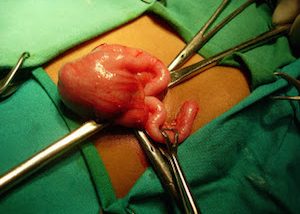
In Part 2 of this pediatric abdominal pain Episode - Pediatric Gastroenteritis, Constipation & Bowel Obstruction, Dr. Anna Jarvis, Canada's "mother of pediatric emergency medicine" and Dr. Stephen Freedman, one of Canada's pre-eminent researchers in pediatric GI emergencies, discuss the assessment, work-up and treatment of pediatric gastroenteritis, with particular attention to gastroenteritis & acute abdomen mimics, how best to assess hydration status, the nuances of the use of ondansetron and the prose and cons of various rehydration methods. A detailed discussion of the most common and lethal causes of acute abdomen bowel obstruction in pediatrics follows, including intussesception and midgut volvulus. Finally, the differential diagnosis and best management of the most common cause of pediatric abdominal pain, constipation, is reviewed.

Episode 19 Part 1: Pediatric Abdominal Pain and Appendicitis

In Part 1 of this Episode on Pediatric Abdominal Pain, Dr. Anna Jarvis, "the mother of pediatric emergency medicine" & Dr. Stephen Freedman, one of the world's pre-eminent pediatric EM researchers, discuss the nuances of the history, physical and work up of Pediatric Abdominal Pain & Appendicitis and key pearls on how to distinguish serious surgical causes from the very common diagnosis of gastroenteritis. An in-depth discussion on the pearls of the history, physical exam, lab tests, imaging including serial ultrasounds vs CT abdomen, clinical decision rules such as the Alvarado Score, best analgesics and antibiotics in pediatric appendicitis follows.

Donate Subscribe
Go to Top