resuscitation and critical care medicine
Episode 38: ENT Emergencies Pearls, Pitfalls, Tips and Tricks

Dr. Leeor Sommer who runs ENT hands-on workshops and Dr. Maria Ivankovic, lecturer extraordinaire on ENT emergencies discuss ENT Emergencies Pearls, Pitfalls, Tips & Tricks: Dr. Ivankovic's stepwise approach to managing epistaxis including the best local anesthetics, the use of ice to decrease nasal flow, who requires antibiotics, the management of hypertension in epistaxis, tranexamic acid for nose bleeds and managing posterior bleeds, tips for nasal and ear foreign body removal including the use of tissue adhesive, how to pick up and work up the dreaded Malignant Otitis Externa including key diagnostic pearls the best tests, sudden sensorineural hearing loss ('The Bells' Palsy of the Ear') including how to save a patient from losing their hearing, Epiglottitis including diagnostic clues and imaging findings, Pharyngitis work-up and treatment: Do we need to work-up and treat with antibiotics at all? & The Toronto Throat Score, Tips and Tricks for peritonsillar abscess drainage, Hereditary and ACE-inhibitor associated Angioedema presentations and management including the use of C1 Esterase inhibitors.

Episode 37: Anticoagulants, PCCs and Platelets

In the second part of this epic 2-part authoritative episode, Anticoagulants, PCCs & Platelets, we have Dr. Walter Himmel (also known as 'The walking encyclopedia of EM') along with Dr. Katerina Pavenski (Head of Transfusion Medicine at St. Michael's Hospital) & Dr. Jeannie Callum (Head of Transfusion Medicine at Sunnybrook Hospital) who will discuss the latest on comparative efficacy and reversal of Warfarin vs Dabigatran vs Rivaroxiban vs Abixaban, the use of prothrombin complex concentrates (PCCs), the ins and outs of thrombocytopenia & platelet transfusions, ITP, TTP, anti-platelet associated intracranial bleeds, indications for Tranexamic Acid & more...

Episode 36: Transfusions, Anticoagulants and Bleeding

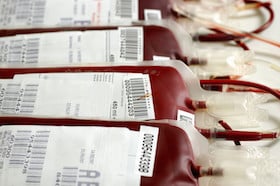
In the first part of this epic 2 part must-hear episode, Transfusions, Anticoagulants & Bleeding, we have the triumphant return of Dr. Walter Himmel (also known as 'The walking encyclopedia of EM') along with Dr. Katerina Pavenski (Head of Transfusion Medicine at St. Michael's Hospital) & Dr. Jeannie Callum (Head of Transfusion Medicine at Sunnybrook Hospital) who will update you on the latest in transfusion indications & risks, managing INRs and how Wararin compares to Dabigatran, Rivaroxiban & Apixaban. They give you the authoritative low down on: Indications for red cell transfusions in different clinical scenarios (GI bleed, cardiac disease, vaginal bleeding etc) and how to give them, Risks of red cell transfusions including Host vs Graft Disease, TRALI & TACO and how to manage them, IV Iron as an alternative to red cell transfusions, Managing INRs: indications for Vit K, Prothrombin Complex Concentrates (Octaplex & Beriplex), adjusting Warfarin Dose, liver patients, and much much more.........

Best Case Ever 18: Anticoagulant Reversal in Trauma

Dr. Katerina Pavenski, on Anticoagulant Reversal in Trauma. A leader in Transfusion Medicine from St. Michael's Hospital, Dr. Pavenski tells us about her Best Case Ever in which a straight forward trauma case turns into a 'bloody disaster', after Prothrombin Complex Concentrates (PCCs) were given in an anticoagulant reversal attempt. In the related two-part epic episode on Antiocagulants, Transfusions & Bleeding, Drs. Pavenski, Dr. Jeannie Callum (Head of Transfusion Medicine at Sunnybrook Hospital & Dr. Walter Himmel (also known as 'The walking encyclopedia of EM') cover: Indications for red cell transfusion in different clinical scenarios (GI bleed, cardiac disease, vaginal bleeding etc), Risks of transfusion including Host vs Graft Disease, TRALI & TACO, Indications for Platelet transfusion in different scenarios (hyporoliferative patients vs ITP, invasive procedures with thrombocytopenia), Managing INRs - indications for Vit K, PCC, adjusting Warfarin Dose, liver patients, Apixaban vs Rivaroxiban vs Dabigatran vs Warfarin and reversal of them, Anti-platelet medication-associated intracranial hemorrhage management, Indications for Tranexamic Acid, and much more........

Episode 30: Central Lines, Surgical Airways and Pericardiocentesis

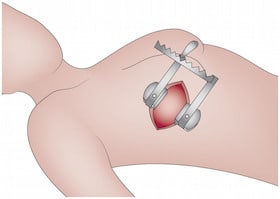
In this episode dedicated to emergency procedures pearls and pitfalls, tips and tricks, Dr. Jordan Chenkin & Dr. Jamie Blicker take us step by step through how best to perform surgical airways and pericardiocentesis, as well as place central lines and intraosseous lines. They explain the various methods for surgical airways including the bougie-assisted surgical airway. They review the indications, contraindications, and complications for all of these life saving procedures, and give us some amazing tips and tricks on what to do when things aren't going as expected.

Best Case Ever 12: Drugs of Abuse

As a bonus to Episode 27 on Drugs of Abuse -Stimulants & Opiates, Dr. Margaret Thompson, one of Canada's leading Toxicologists and the medical director of the Ontario Poison Control Centre tells us 2 of her Best Cases Ever about stimulant overdose surprises. In the related Episode, Dr. Margaret Thompson & Dr. Lisa Thurgur Canada's toxicologist gurus discuss several cases of stimulant drugs of abuse such as cocaine, MDMA & bath salts, as well as the pearls and pitfalls of managing opiates toxicity. We discuss: The management of the intoxicated patient including seizures, dysrhythmias, cardiac ischemia and hypertensive emergencies related to cocaine toxicity, the recognition and management of necrotizing vasculitis caused by cocaine cut with Levamisole, the differential diagnosis and management of the "hot and crazy" patient, including the role of dantrolene and cyproheptidine, pearls and pitfalls of naloxone, the utility of urine drug screens and much more.... [wpfilebase tag=file id=396 tpl=emc-play /] [wpfilebase tag=file id=397 tpl=emc-mp3 /]

Episode 24: COPD and Pneumonia

In this episode we have the continuation of our discussion on Respiratory Emergencies with Dr. Anil Chopra and Dr. John Foote. We discuss key clinical decisions in COPD assessment and management - how to assess for impending respiratory failure, how best to oxygenate the COPD patient, medication pearls and how best to approach intubating the COPD patient. We then review an approach to hemoptysis as well as tricks of the trade for managing massive hemoptysis. Many pearls of pneumonia work-up and management are detailed as well as how to make important disposition decisions.

Episode 20: Atrial Fibrillation

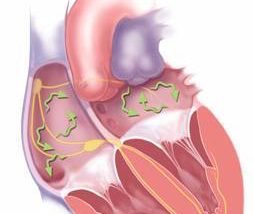
In this episode Dr. Clare Atzema, Dr. Nazanin Meshkat and Dr. Bryan Au discuss the presentation, etiology, precipitants, management and disposition of Atrial Fibrillation in the Emergency Department. The pros and cons of rate and rhythm control are debated, what you need to know about rate and rhythm control medications reviewed, and the strength of the Ottawa Aggressive Protocol discussed. The importance of appropriate anticoagulation is detailed, with a review of the CHADS-VASc score and whether to use Warfarin, Dabigatran or ASA for stroke prevention for patient with Atrial Fibrillation. We end off with a discussion on how to recognize and treat Wolff-Parkinson-White syndrome in the setting of Atrial Fibrillation.

Best Case Ever 7: Atrial Fibrillation

As a bonus to Episode 20 on Atrial Fibrillation, we present here, Dr. Clare Atzema, a leading EM researcher in Atrial Fibrillation, telling her Best Case Ever related to Afib. What would you do if you needed to cardiovert a patient who was too obese to fit on an ED stretcher? Dr. Atzema, along with Dr. Nazanin Meshkat and Dr. Bryan Au, discuss the presentation, etiology, precipitants, management and disposition of Atrial Fibrillation in the Emergency Department. The pros and cons of rate vs rhythm control are debated, what you need to know about Afib medications, and the value of the Ottawa Aggressive Protocol discussed. The importance of appropriate anticoagulation is detailed, with a review of the CHADS-VASc score and whether to use anticogulants or ASA for stroke prevention for patients with Afib. We end off with a discussion on how to recognize and treat Wolff-Parkinson-White syndrome in the setting of Atrial Fibrillation. [wpfilebase tag=file id=382 tpl=emc-play /] [wpfilebase tag=file id=383 tpl=emc-mp3 /]

Episode 18 Part 1: Point of Care Ultrasound Pearls, Pitfalls and Controversies

In this first installment of this Episode, Point of Care Ultrasound Pearls, Pitfalls & Controversies we have a panel of POCUS gurus, Dr. Greg Hall, Dr. Jordan Chenkin, Dr. Paul Hannam & Dr. Jason Fischer. They review the basic criteria for commonly used, practical Point of Care Ultrasound indications at the bedside and then dive into heated debate about specific pearls and pitfalls in Point of Care Ultrasound assessment of the patient with undifferentiated shortness of breath, undifferentiated shock, cardiac arrest and swollen leg. They discuss how best to interpret the massive body of literature for POCUS and when we can hang our hats on our Point of Care Ultrasound findings.

Donate Subscribe
Go to Top