resuscitation and critical care medicine
CritCases 6 – Airway Obstruction

In this EM Cases CritCases blog - a collaboration with STARS Air Ambulance Service, Mike Betzner, we present a challenging airway obstruction case, the limitations of non-rebreather masks, using PEEP on bag-valve-masks, heliox, tips on awake intubation, and the differential for high peak inspiratory pressures in the post intubation period. With commentary by Michael Betzner and Reuben Strayer as well as expert peer review by George Kovacs...

Best Case Ever 53 – TTP

As EM Cases has grown and expanded over the past 7 years I've had the pleasure of working with a team of talented people. This Best Case Ever was produced by two all-star EM residents from Ottawa, podcaster Dr. Rajiv Vairavanathan and editor Dr. Richard Hoang. In this all-resident Best Case Ever we interview Dr. Chris Belcher from University of Kentucky about TTP - Thrombotic Thrombocytopenic Purpura, that rare but often elusive clotting disorder that picks off multiple organs and has a near 100% mortality rate without treatment...

Best Case Ever 52 – Pediatric Hypothermia Cardiac Arrest

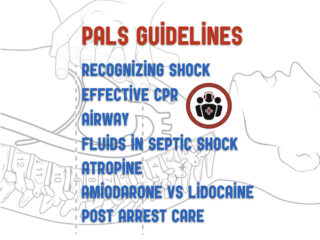
In anticipation of EM Cases Episode 90 on the Pediatric Advanced Life Support (PALS) guidelines with the lead author Dr. Allan DeCaen and Dr. Anthony Crocco, Dr. DeCaen tells his Best Case Ever showing us the value of orchestrated team work and a great example of the saying, "they're not dead until they're warm and dead"...

Best Case Ever 51 – Anticoagulants and GI Bleed with Walter Himmel

In anticipation of Episode 88 and 89: DOACs Use, Misuse and Reversal with the president of Thrombosis Canada and world renowned thrombosis researcher Dr. Jim Douketis, internist and thrombosis expert Dr. Benjamin Bell and 'The Walking Encyclopedia of EM' Dr. Walter Himmel, we have Dr. Himmel telling us the story of his Best Case Ever on anticoagulants and GI bleed. He discusses the most important contraindication to DOACs, the importance of not only attempting to reverse the effects of anticoagulants in a bleeding patient but managing the bleed itself as well as more great pearls. In the upcoming episodes we'll run through 6 cases and cover the clinical use of DOACs, how they work, safety, indications, contraindications, management of minor, moderate and severe bleeding, the new DOAC reversal agents, management of DVT with DOAC anticoagulants, stroke prevention in atrial fibrillation with DOACs and much more...

CritCases 5 – Pediatric Drowning and Hypothermia

In this CritCases blog - a collaboration between STARS Air Ambulance Service, Mike Betzner and EM Cases, Dr. Michael Misch discusses the management controversies around a challenging pediatric drowning and hypothermia case, including the nuances of rewarming, oxygenation, CPR or no CPR, the role of ECMO, dosing of epinephrine and more...

Episode 86 – Emergency Management of Hyperkalemia

This is 'A Nuanced Approach to Emergency Management of Hyperkalemia' on EM Cases. Of all the electrolyte emergencies, hyperkalemia is the one that has the greatest potential to lead to cardiac arrest. And so, early in my EM training I learned to get the patient on a monitor, ensure IV access, order up an ECG, bombard the patient with a cocktail of kayexalate, calcium, insulin, B-agonists, bicarb, fluids and furosemide, and get the patient admitted, maybe with some dialysis to boot. Little did I know that some of these therapies were based on theory alone while others were based on a few small poorly done studies. It turns out that some of these therapies may cause more harm than good, and that precisely when and how to give these therapies to optimize patient outcomes is still not really known...

BEEM Cases 3 – Acute Respiratory Failure: NIPPV & POCUS

Shortness of breath is a very common chief complaint in the emergency department, but despite our familiarity with this symptom, management is not always straightforward. The differential diagnosis is extensive, including the common cardiorespiratory conditions, but extending to toxicologic, hematologic, neuromuscular, metabolic, and psychiatric causes. Over the past decade, we have seen the widespread adoption of new technologies to help us manage these patients. This post will look at some new evidence on two of those technologies: noninvasive positive pressure ventilation (NIPPV) and ultrasound (POCUS). We will answer 3 questions based on 3 systematic reviews using the BEEM critical appraisal framework...

Best Case Ever 49 – Post-Arrest Hyperkalemia

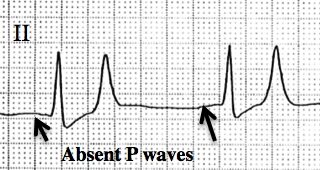
Melanie Baimel's Best Case Ever on Post-Arrest Hyperkalemia on EM Cases. Post arrest patients can sometimes be challenging. We need to think of a variety of underlying causes of the arrest, antiarrhythmics, possible cath lab activation, targeted temperature management, sedation and more. To add to this, many post arrest patients do not have ideal vital signs that require attention. In this Best Case Ever, in anticipation of our upcoming episode on A Rational Approach to Hyperkalemia Dr. Melanie Baimel describes a post arrest patient who remains bradycardic and hypotensive despite multiple pressors....

CritCases 4 – Uterine Inversion and Postpartum Hemorrhage

In this CritCases blog - a collaboration between STARS Air Ambulance Service, Mike Betzner and EM Cases, Dr. James Brokenshire presents a case of acute unstable Uterine Inversion and discusses key therapeutic maneuvers including the Johnson Maneuver, tocolytics and resuscitation of postpartum hemorrhage.

Episode 84 – Congenital Heart Disease Emergencies

Congenital Heart Disease Emergencies on EM cases with Gary Joubert and Ashley Strobel. You might be surprised to learn that the prevalence of critical cardiac disease in infants is almost as high as the prevalence of infant sepsis. And if you’re like me, you don’t feel quite as confident managing sick infants with critical heart disease as you do managing sepsis. Critical congenital heart defects are often missed in the ED. For a variety of reasons, there are currently more children with congenital heart disease presenting to the ED than ever before and these numbers will continue to grow in the future. When I was in medical school I vaguely remember learning the complex physiology and long lists of congenital heart diseases, which I’ve now all but forgotten. What we really need to know about congenital heart disease emergencies is what actions to take in the ED when we have a cyanotic or shocky baby in front of us in the resuscitation room. So with the goal of learning a practical approach to congenital heart disease emergencies using the child’s age, colour and few simple tests, Dr. Strobel and Dr. Joubert will discuss some key actions, pearls and pitfalls so that the next time you’re faced with that crashing baby in the resuscitation room, you’ll know exactly what to do.

Donate Subscribe
Go to Top