Episode 20: Atrial Fibrillation

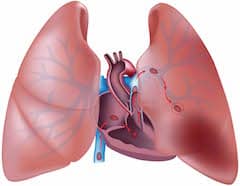
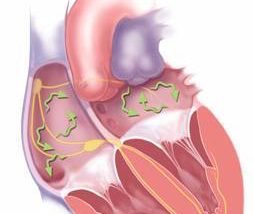
In this episode Dr. Clare Atzema, Dr. Nazanin Meshkat and Dr. Bryan Au discuss the presentation, etiology, precipitants, management and disposition of Atrial Fibrillation in the Emergency Department. The pros and cons of rate and rhythm control are debated, what you need to know about rate and rhythm control medications reviewed, and the strength of the Ottawa Aggressive Protocol discussed. The importance of appropriate anticoagulation is detailed, with a review of the CHADS-VASc score and whether to use Warfarin, Dabigatran or ASA for stroke prevention for patient with Atrial Fibrillation. We end off with a discussion on how to recognize and treat Wolff-Parkinson-White syndrome in the setting of Atrial Fibrillation.

Best Case Ever 7: Atrial Fibrillation

As a bonus to Episode 20 on Atrial Fibrillation, we present here, Dr. Clare Atzema, a leading EM researcher in Atrial Fibrillation, telling her Best Case Ever related to Afib. What would you do if you needed to cardiovert a patient who was too obese to fit on an ED stretcher? Dr. Atzema, along with Dr. Nazanin Meshkat and Dr. Bryan Au, discuss the presentation, etiology, precipitants, management and disposition of Atrial Fibrillation in the Emergency Department. The pros and cons of rate vs rhythm control are debated, what you need to know about Afib medications, and the value of the Ottawa Aggressive Protocol discussed. The importance of appropriate anticoagulation is detailed, with a review of the CHADS-VASc score and whether to use anticogulants or ASA for stroke prevention for patients with Afib. We end off with a discussion on how to recognize and treat Wolff-Parkinson-White syndrome in the setting of Atrial Fibrillation. [wpfilebase tag=file id=382 tpl=emc-play /] [wpfilebase tag=file id=383 tpl=emc-mp3 /]

Episode 19 Part 2: Pediatric Gastroenteritis, Constipation and Bowel Obstruction

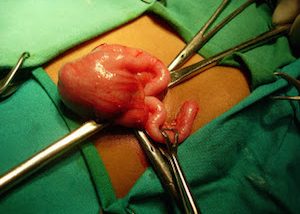
In Part 2 of this pediatric abdominal pain Episode - Pediatric Gastroenteritis, Constipation & Bowel Obstruction, Dr. Anna Jarvis, Canada's "mother of pediatric emergency medicine" and Dr. Stephen Freedman, one of Canada's pre-eminent researchers in pediatric GI emergencies, discuss the assessment, work-up and treatment of pediatric gastroenteritis, with particular attention to gastroenteritis & acute abdomen mimics, how best to assess hydration status, the nuances of the use of ondansetron and the prose and cons of various rehydration methods. A detailed discussion of the most common and lethal causes of acute abdomen bowel obstruction in pediatrics follows, including intussesception and midgut volvulus. Finally, the differential diagnosis and best management of the most common cause of pediatric abdominal pain, constipation, is reviewed.

Episode 19 Part 1: Pediatric Abdominal Pain and Appendicitis

In Part 1 of this Episode on Pediatric Abdominal Pain, Dr. Anna Jarvis, "the mother of pediatric emergency medicine" & Dr. Stephen Freedman, one of the world's pre-eminent pediatric EM researchers, discuss the nuances of the history, physical and work up of Pediatric Abdominal Pain & Appendicitis and key pearls on how to distinguish serious surgical causes from the very common diagnosis of gastroenteritis. An in-depth discussion on the pearls of the history, physical exam, lab tests, imaging including serial ultrasounds vs CT abdomen, clinical decision rules such as the Alvarado Score, best analgesics and antibiotics in pediatric appendicitis follows.

Episode 18 Part 2: More Point of Care Ultrasound

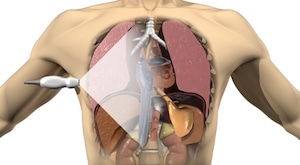
In Part 2 of this Episode on Emergency Ultrasound or Point of Care Ultrasound (POCUS) Dr. Fischer, Dr. Hannam, Dr. Chenkin & Dr. Hall, Canada's EM ultrasound gurus discuss how POCUS can help our decision-making in the pediatric patient with a limp, in the patient with necrotizing fasciitis, in the pregnant patient with vaginal bleeding and in the common and challenging elderly patient with undifferentiated abdominal pain. They cover POCUS indications from urinary retention to appendicitis and debate the utility of these indications. This is followed by a debate on how best to educate ourselves and the EM community in POCUS and how best to designs quality assurance programs so that point of care ultrasound (POCUS) becomes an accepted tool across the entire medical community.

Episode 18 Part 1: Point of Care Ultrasound Pearls, Pitfalls and Controversies

In this first installment of this Episode, Point of Care Ultrasound Pearls, Pitfalls & Controversies we have a panel of POCUS gurus, Dr. Greg Hall, Dr. Jordan Chenkin, Dr. Paul Hannam & Dr. Jason Fischer. They review the basic criteria for commonly used, practical Point of Care Ultrasound indications at the bedside and then dive into heated debate about specific pearls and pitfalls in Point of Care Ultrasound assessment of the patient with undifferentiated shortness of breath, undifferentiated shock, cardiac arrest and swollen leg. They discuss how best to interpret the massive body of literature for POCUS and when we can hang our hats on our Point of Care Ultrasound findings.

Episode 17 Part 2: Stroke, Dabigatran and Intracranial Hemorrhage

In the 2nd part of this episode on Stroke, Dabigitran & Intracranial Hemorrhage Dr. Walter Himmel & Dr. Dan Selchen tell us everything the ED doc needs to know about the oral direct thrombin inhibitor Dabigatran and how to reverse a Dabigatran ICH. The ED treatment of stroke is reviewed including best medications and a simple way to remember BP goals. They review the management of ICH including BP goals, indications for neurosurgery, the role of recombinant Factor Vlla, and how best to reverse Warfarin-associated and platelet-associated ICH.

Episode 17 Part 1: Emergency Stroke Controversies

Ep17 P1 StrokeDr. Walter Himmel, "the walking encyclopedia of Emergency Medicine" & Dr. Dan Selchen, the head of the stroke program at St. Micheal's Hospital in Toronto with 30+ years of experience as a stroke neurologist, update us on the literature regarding Emergency Stroke Controversies including the ABCD2 Score to predict Stroke after TIA, as well as the current thinking around the best carotid imaging for patients who have had a TIA. They then review the important findings of the key thrombolysis stroke trials & how we could incorporate these findings into our daily practice. Dr. Selchen reviews the key CT findings we should look for in stroke, & Dr. Himmel takes us through how to manage the dreaded complication of ICH post thrombolysis. This episode is super controversial - so please 'speak your mind' at the bottom of the page.

Episode 16: Acute Monoarthritis

Ep16 MonoarthritisDr. Joel Yaphe, University of Toronto's Emergency Medicine Residency Program Director and Dr. Indy Ghosh discuss the difficult diagnostic dilemmas when faced with a patient with acute monoarthritis. They review how to distinguish clinically between septic arthritis and gout and which aspects of the presentation and work-up are the most reliable in risk stratifying patients. The key differential diagnosis of Acute Polyarthritis can be even more of a challenge, but fear not: by then end of this podcast and post you will be able to recognize the key diagnoses, how to work them up, and who needs consultation.

Best Case Ever 5 Septic Arthritis

Septic Arthritis is often at the top of our differential for acute monoarthritis. Dr. Joel Yaphe tells his Best Case Ever of a patient with septic arthritis as a bonus to Episode 16: Acute Monoarthritis. In the related episode Dr. Yaphe and Dr. Indy Ghosh discuss such questions as: What are the most important risk factors for septic arthritis? What are the most predictive signs and symptoms of septic arthritis? How does serum WBC, ESR and CRP contribute to the probability of septic arthritis? Should we still be performing arthrocenteses on patient's with overlying cellulitis? with an INR of 6? How can you tell the difference between septic bursitis and septic arthritis and how are they managed differently? What does the literature tell us about how useful the synovial fluid tests are in ruling in or ruling out septic arthritis? What is the role of bedside ultrasound in septic arthritis? Is there a role for steroid therapy in septic arthritis? When would you consider oral NSAIDs vs oral prednisone vs intra-articular methylprednisolone for the treatment of Gout? Is there a role for colchicine in the ED treatment of Gout? What is acute calcific arthritis of hydroxyapatite disease and why is it important for ED docs to know about? What is the most common cause of dermatitis-arthritis? How can one distinguish Reactive Arthritis from Septic Arthritis clinically, and how do their work-ups differ? Is there a role for antibiotics in Reactive Arthritis? How does gonococcal arthritis present compared with nongonococcal septic arthritis? and many more..... [wpfilebase tag=file id=378 tpl=emc-play /] [wpfilebase tag=file id=379 tpl=emc-mp3 /]

Donate Subscribe
Go to Top